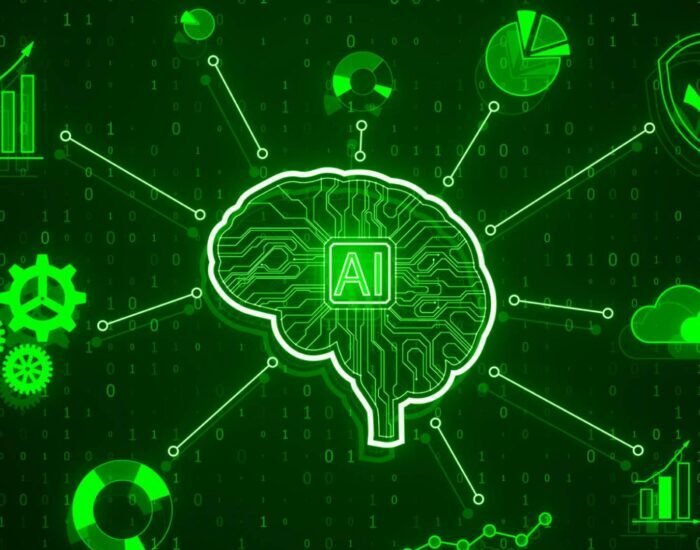
Boost scheduling efficiency with AI-driven personalization that automates coordination, reduces delays, and optimizes workflows for faster, smarter workplace productivity.
In B2B Martech and SaaS, scheduling has turned into a basic calendar feature and has into a strategic touch point that directly influences conversions, customer experience, and sales speed. Due to the business trend of moving to predictive, automated workflows, personalization facilitated by AI has become the key to providing the frictionless booking experiences that contemporary buyers require.
As buyers interact on a multi-channel and demand real-time responsiveness, AI can be used to remove inefficiencies in scheduling availability, timing, and routing based on user interactions.
This personalized automation greatly enhances the efficiency, precision, and experience of the scheduling cycle.
Table of Contents
1. The Rise of AI-Powered Personalization in B2B Scheduling
1.1. Growing Need for Intelligent Scheduling
1.2. AI as a Response to Fragmented Buyer Journeys
1.3. Impact on Productivity and Conversion Rates
2. Key AI Technologies Driving Personalized Scheduling Efficiency
2.1. Machine Learning Models for Predictive Availability
2.2. NLP and Conversational AI for Contextual Booking
2.3. Automation Engines and Workflow Intelligence
3. Personalization Strategies to Improve Appointment Scheduling Efficiency
3.1. Behavior-Based Scheduling Recommendations
3.2. Dynamic Routing for High-Value Accounts
3.3. Micro-Segmented Meeting Flows
3.4. Adaptive Reminders and Follow-Ups
4. Business Benefits of AI-Driven Personalized Scheduling
4.1. Higher Conversion and Faster Sales Cycles
4.2. Operational Efficiency and Reduced Manual Work
4.3. Improved Customer Experience and Retention
5. Implementation Best Practices for AI-Powered Personalized Scheduling
5.1. Integrate CRM + Marketing Automation Data
5.2. Train AI With Real Buyer Patterns
5.3. Balance Personalization With Privacy and Compliance
5.4. Test, Measure, and Optimize Scheduling Workflows
Conclusion
1. The Rise of AI-Powered Personalization in B2B Scheduling
1.1. Growing Need for Intelligent Scheduling
McKinsey found that, with the rise in digital interactions, 72% of B2B buyers now demand customized experiences at each touchpoint. Longer and more complicated sales cycles are driving the need to have automated and intelligent scheduling systems to minimize friction and speed up the decision-making process.
1.2. AI as a Response to Fragmented Buyer Journeys
AI assists in integrating the disjointed buyer experience by changing the schedules based on user behavior, intent, and engagement channel of choice. Indicatively, HubSpot uses AI to identify patterns of engagement, e.g., email opens, content clicks, or session recency, to determine the best time to schedule a meeting, thus boosting chances of successful and timely meetings.
1.3. Impact on Productivity and Conversion Rates
According to Gartner, firms that are employing AI-based scheduling have an increased acceptance rate of meetings by 28%. AI integrates schedules, time zones, favors, and a communication log, making each interaction seem to be relevant and effective. This removes the back-and-forth communication and increases the productivity of sales, marketing and customer success teams.
2. Key AI Technologies Driving Personalized Scheduling Efficiency
2.1. Machine Learning Models for Predictive Availability
Machine learning determines the pattern of no-show probability, time preference, and urgency of a meeting. Such tools as Calendly Routing use ML to pre-screen leads and automate booking routes so that the correct meeting type can be proposed depending on interest and willingness.
2.2. NLP and Conversational AI for Contextual Booking
According to Salesforce, 65% of B2B customers would like to use chatbots to schedule their appointment using a conversational interface; chatbots powered by NLP provide context-related booking experiences. These assistants read sentiment, subject and urgency in order to recommend the best slot of appointment or prioritize requests without any hitch.
2.3. Automation Engines and Workflow Intelligence
AI combines with CRM, Martech and ERP systems to automate the end-to-end data scheduling processes. As an example, Drift enables unmatched routing on the basis of AI to pair leads with reps, according to account tier, region, pipeline stage, or behavior, so that high-value prospects are immediately and relevantly addressed.
3. Personalization Strategies to Improve Appointment Scheduling Efficiency
3.1. Behavior-Based Scheduling Recommendations
AI analyzes the activity of browsing, response to campaigns, and lead scores in order to determine the buyer intent. By repeatedly displaying pricing pages or interacting with valuable content, AI will know when it is the right moment to meet with a prospect and maximize conversion.
3.2. Dynamic Routing for High-Value Accounts
The AI routing allows the enterprise buyers to be linked to the senior, high-performing representatives automatically. This is important as, as Forrester explains, 57% of high-value B2B buyers give up trying to interact when routing seems generic or slow. AI guarantees a rapid and precise match between buyer requirements and rep expertise.
3.3. Micro-Segmented Meeting Flows
The AI divides audiences by industry, position, urgency and stage of buying to suggest customized types of appointments, including demos, onboarding, or strategy sessions. This makes them more relevant and minimizes incompatible or poor-quality meetings.
3.4. Adaptive Reminders and Follow-Ups
4. Business Benefits of AI-Driven Personalized Scheduling
4.1. Higher Conversion and Faster Sales Cycles
According to a report by Gartner, AI-personalized scheduling targets more qualified meetings by 30-40% by reducing delays and matching the buyers with the correct reps in real-time. AI routing in SaaS businesses has decreased the response time to leads by less than five minutes, boosting the sales impetus.
4.2. Operational Efficiency and Reduced Manual Work
AI simplifies the work of humans such as calendar integration, meeting scheduling, and pre-meeting workflow development. This automation relieves the sales and customer success teams of the low-value scheduling activities, cutting the time spent by the administration by 60% and enhancing the operational throughput.
4.3. Improved Customer Experience and Retention
According to McKinsey, it is the personalised interactions that define long-term loyalty, and 76% of customers report that personalised interactions are a direct determinant of customer retention and lifetime value, which is why the use of AI as a scheduling solution can directly drive customer retention and lifetime value.
5. Implementation Best Practices for AI-Powered Personalized Scheduling
5.1. Integrate CRM + Marketing Automation Data
AI is more effective as it is associated with CRM, Marketing Automation, and ABM services. Indicatively, Salesforce with AI scheduling applications allows real-time assignment of leads, so there are no interruptions between engagement and booking.
5.2. Train AI With Real Buyer Patterns
Attendance rates, quality of conversion, and engagement tendencies can be found in historical meeting data, which enhances the accuracy of AI prediction. Institute collaboration cycles between sales and marketing to work on the algorithm performance.
5.3. Balance Personalization With Privacy and Compliance
Organizations are recommended to use GDPR and CCPA rules and be transparent regarding the use of data. An obvious consent and safe data processing enhance customer confidence and raise the success rates of meetings.
5.4. Test, Measure, and Optimize Scheduling Workflows
Monitor KPIs such as no-show, time-to-book, meeting quality scores and conversion impact. Constantly A/B testing reminders, timing patterns, and call-to-action placement enhances the scheduling results.
Conclusion
The use of AI-powered personalization is changing scheduling in B2B Martech by simplifying the workflow, enhancing customer experience, and accelerating decision-making.
Friction at each point of interaction is minimized with AI, whether it is a predictive model or a conversational interface. With hyper-personalized, predictive scheduling techniques adopted by businesses, they obtain a quantifiable increase in efficiency, conversions, and retention.
It is the middle ground between innovation and responsibility in the future: by making experiences personalized, data privacy and transparency should be held sacred.
Visit Our SalesMarkBlog Section to Uncover the Sales Strategies That Ignite Your Sales Journey!